
Palestinians in Gaza are watching Israel’s upcoming election with fear and uncertainty, weighing whether a new government could ease restrictions and displacement or continue the current course.
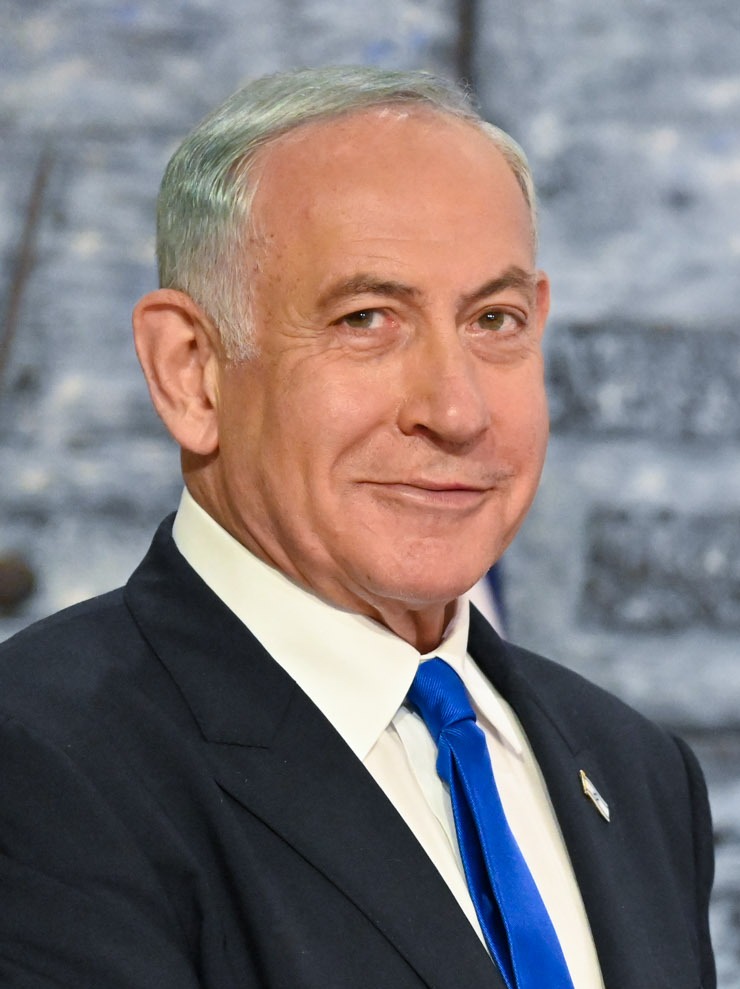
Israeli voters are due to go to the polls on Tuesday in the country’s first general election since the Hamas-led attacks of October 7, 2023, the BBC reports. Benjamin Netanyahu has made security central to his campaign, while former military chief of staff Gadi Eisenkot has emerged as his main challenger. The BBC’s report on the election says the contest could replace Netanyahu’s long period of right-wing rule with a more left-leaning government.
In Deir el-Balah, Mohammed Eliyan, who was displaced from Jabalia refugee camp, told Al Jazeera that he hopes a different Israeli leader could bring some relief. But he also said he did not expect a dramatic improvement, regardless of the result, and called for an end to the war, displacement and restrictions at Gaza’s crossings. Al Jazeera reports that Eliyan is living with his five children after repeated displacement.
Other Gaza residents interviewed by Al Jazeera were similarly doubtful that an election would produce a fundamental policy shift. Islam Salem, displaced from Beit Lahiya, said Israeli elections primarily serve Israeli interests and that Gaza’s strategy was unlikely to change. Manar Owaida said she hoped a new government might ease the blockade and withdraw from areas beyond the so-called Yellow Line, but described that possibility as uncertain.
The reports establish expectations and campaign positions, not a post-election policy decision. Netanyahu’s government, the election’s outcome and any subsequent changes to Gaza’s conditions remain unknown. Al Jazeera also reports that Gaza has remained under a ceasefire since October 2025 while residents continue to face air strikes, shortages and severe damage to homes and infrastructure.