
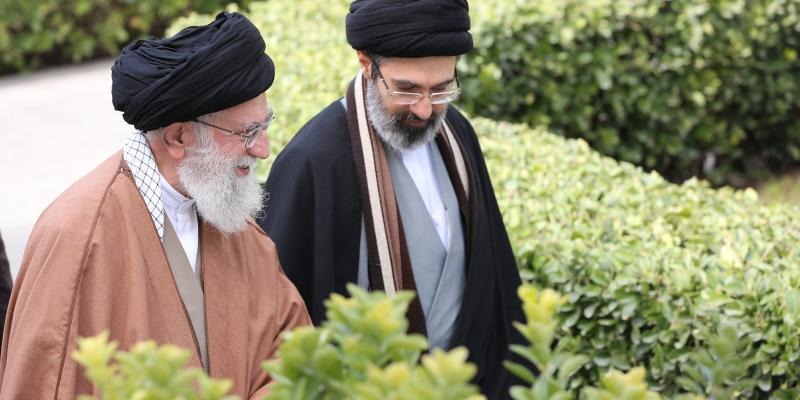
Iran’s Supreme Leader Mojtaba Khamenei has instructed the armed forces to maintain “maximum deterrence” and be ready for an “immediate and effective response, without geographical restriction” if Iran is attacked again, his office said on Saturday. The directive was issued as Qatari diplomats held talks in Tehran aimed at preventing a renewed US-Iran war. Al Jazeera reports on Khamenei’s military directive and the mediation effort.
The statement does not announce a new military operation or specify which targets would be covered. Iranian army spokesman Mohammad Akraminia separately warned that any renewed US attack could cause the conflict to spread across a wider area, while Foreign Minister Abbas Araghchi said that “red lines are a thing of the past,” according to the report.
The nuclear dimension remains politically unsettled. Several Iranian lawmakers have called for withdrawal from the Nuclear Non-Proliferation Treaty, and one lawmaker said 10 related proposals had been registered for consideration. But Iran’s leaders have not responded to the demands, and the government’s stated position against seeking nuclear weapons remains unchanged. Al Jazeera’s separate report details the parliamentary proposals and the lack of an approved government decision.
That distinction matters for the negotiations. Withdrawal from the NPT would require three months’ notice under the treaty, while the current proposals have not become adopted policy. Tehran’s reported negotiating demands include lifting the US maritime blockade on Iranian ports, waiving oil sanctions and securing a truce in regional conflicts. Washington continues to insist that Iran cannot obtain a nuclear weapon, while the precise terms of Vice President JD Vance’s letter to Tehran remain unclear. The evidence shows a hardened military warning and parliamentary pressure over nuclear commitments—not a confirmed decision to leave the treaty or a confirmed end to mediation efforts.