
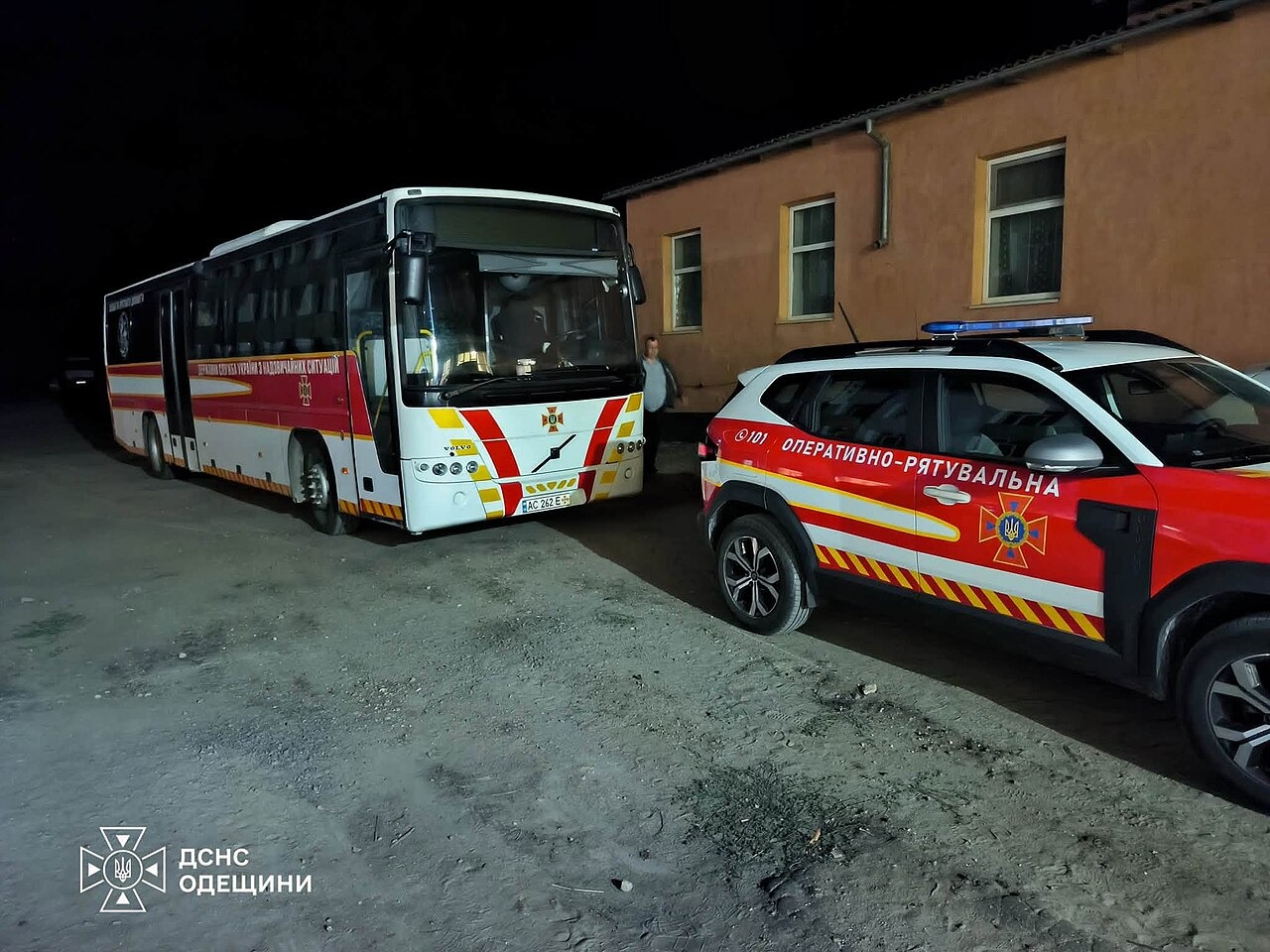
A six-day ceasefire in the Russian-occupied Ukrainian town of Oleshky enabled hundreds of residents to evacuate, but the arrangement remained a localized humanitarian pause rather than a wider change in the war, BBC reporting shows.
The pause took place in Oleshky and neighboring areas of Ukraine’s Kherson region, where residents had faced bombardment and severe shortages. The BBC reported that evacuees traveled through southern Russia and Belarus, while the Guardian described Oleshky as a frontline town occupied by Russia where 800 people had endured a prolonged humanitarian crisis. Both accounts place the evacuation before the White House gathering where Russian and Ukrainian representatives met with Melania Trump.
The meeting brought together Ukraine’s human rights ombudsman Dmytro Lubinets, Russian ombudsman Yana Lantratova, Ukrainian lawmaker Davyd Arakhamia and Kremlin envoy Kirill Dmitriev. Trump handed letters to Arakhamia and Dmitriev for delivery to Presidents Volodymyr Zelenskyy and Vladimir Putin, and called for a temporary ceasefire to lead to something more lasting, according to the Guardian’s account.
The evidence establishes a narrow operational result: people were able to leave Oleshky during six days without fighting. It does not establish a new Russia-Ukraine settlement. The BBC reported that Arakhamia called the pause the biggest de-escalation since 2022 but also described the political negotiations as complex. A local-government source told the BBC that evacuation work had been underway for nearly a year, while other sources disputed how much of the achievement should be credited to Trump.
The broader security picture also remained unchanged in the reports. The BBC said attacks continued elsewhere in Ukraine and quoted an analyst who said Russia’s position had not changed. The Oleshky arrangement therefore demonstrates limited humanitarian coordination, not a verified expansion of the ceasefire to other fronts or a breakthrough in the main negotiations.