
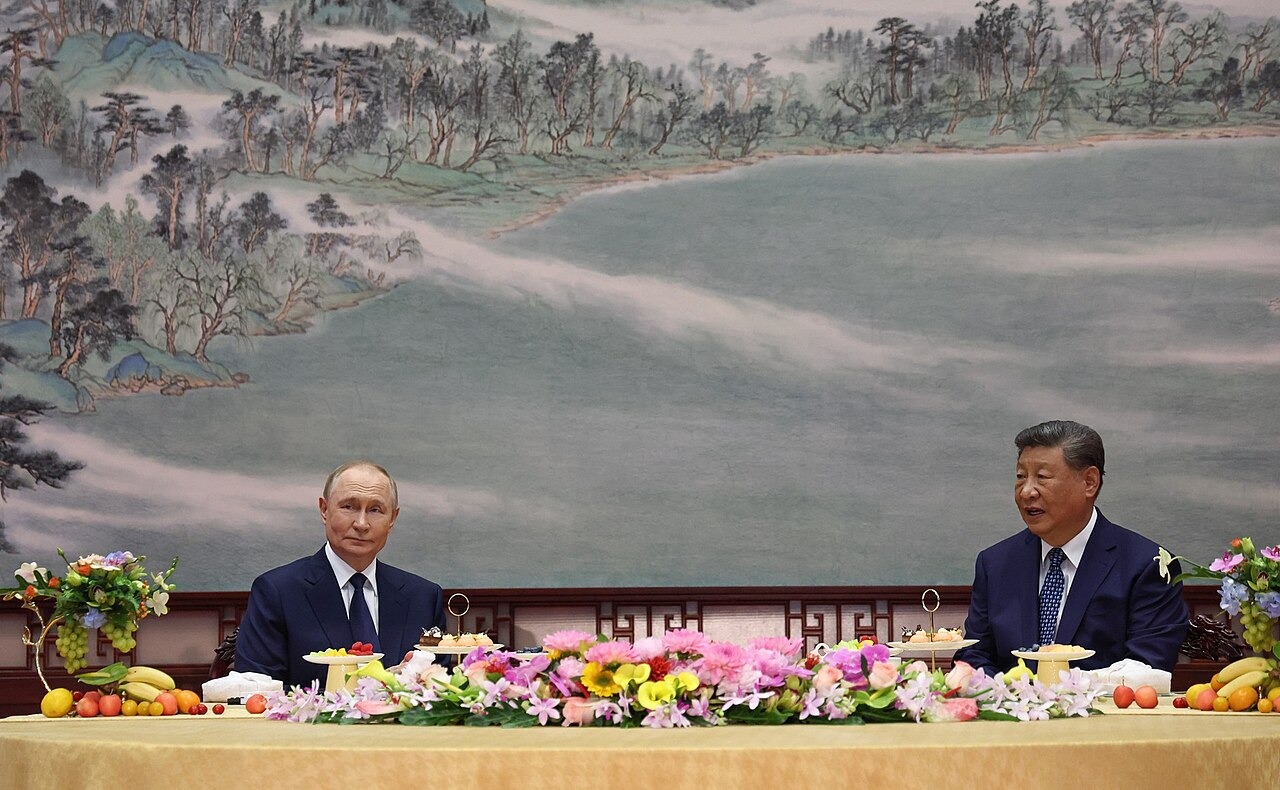
Chinese President Xi Jinping has renewed Beijing’s call for Taiwan’s reunification with China, saying the goal must and will be achieved in a speech in Beijing on November 12. The remarks restated a long-standing political position rather than announcing a new implementation measure: Xi did not mention using force and again framed the preferred approach as peaceful reunification under the “one country, two systems” model. DW’s report on Xi’s speech said he also warned that Beijing would leave no room for Taiwan independence activities.
Taiwan rejected the framework. The island’s Mainland Affairs Council said neither Taiwan’s government nor its people would accept being placed under the rule of China’s Communist Party. Council spokesperson Liang Wen-chieh described the wording on unification as little different from earlier statements, according to DW. Al Jazeera likewise reported that Taiwan rejected the “one country, two systems” formula, which it said has no backing from any major Taiwanese political party. Al Jazeera’s account said Xi’s speech also called for talks while maintaining Beijing’s “one China” position.
The immediate security context was more active than the speech’s wording. Taiwan’s defense ministry said it detected 29 Chinese military aircraft, including J-16 fighters and drones, operating with Chinese warships in a “joint combat readiness patrol” around Taiwan, Al Jazeera reported. DW also reported the patrol, but neither account establishes that Xi’s speech ordered it or changed the scope of Chinese military activity.
The evidence therefore shows a renewed political statement by Beijing alongside a continued military pressure campaign, not an announced change to Taiwan’s status or a new reunification mechanism. Xi’s omission of force in this speech does not resolve the broader dispute over Beijing’s position, which, as both reports note, has not renounced force as an option.