
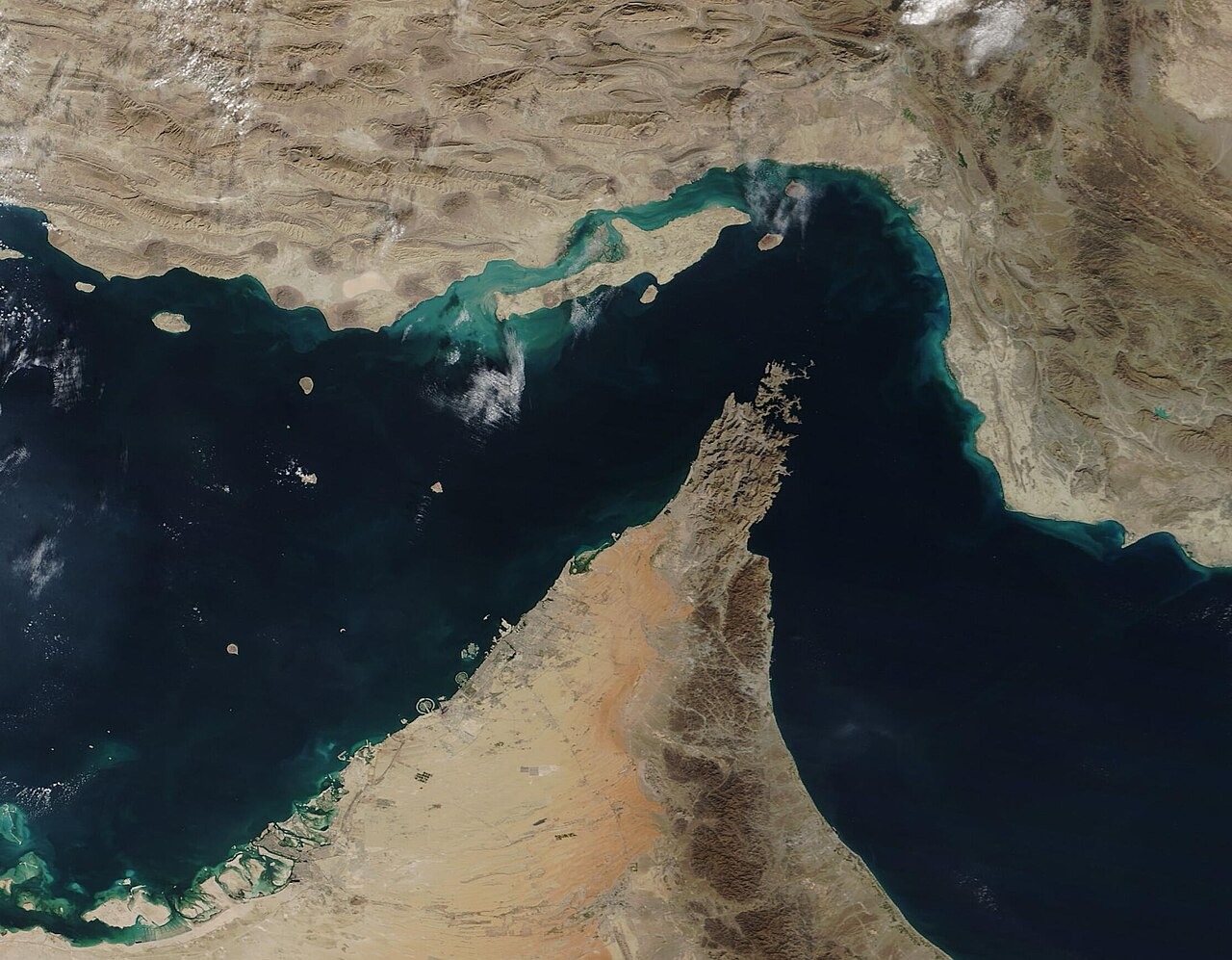
President Donald Trump’s conflicting statements on Iran have created uncertainty around negotiations over the Strait of Hormuz, even as Qatar continues trying to broker an interim agreement for the vital Gulf waterway, according to PBS News reporting. The reporting does not establish that Washington has adopted a final settlement plan or formally abandoned diplomacy.
After meeting Qatar’s prime minister at the White House earlier this week, Trump said new major strikes on Iran were highly unlikely and described the war as effectively over militarily. By Thursday, however, he said the United States no longer needed a deal with Tehran, directed Vice President JD Vance away from Iran talks and warned that U.S. forces remained ready to act. Secretary of State Marco Rubio separately said mediators could continue working and that Trump would support a deal if it met his terms.
The immediate diplomatic question is therefore the scope of any U.S. de-escalation. Qatar’s efforts are aimed at restoring traffic through the Strait while leaving further talks open, but diplomats cited by PBS said Trump’s statements had put the process into a holding pattern. Iran remains unwilling to negotiate over its nuclear program unless the United States accepts conditions Tehran wants included in a ceasefire. Iran’s deputy U.N. ambassador said Tehran had not closed the door to diplomacy but would respond if bombing resumed.
A separate PBS Compass Points episode describes Gulf allies as united against the war and pursuing talks with Tehran about regional security while Trump emphasizes economic pressure. Together, the two PBS documents show a regional diplomatic track continuing despite the White House’s changing public posture: Gulf governments and Qatar are still engaging Iran, but the fetched material documents no U.S. commitment to a negotiated agreement, a permanent halt in military action or a settled policy for Hormuz.