
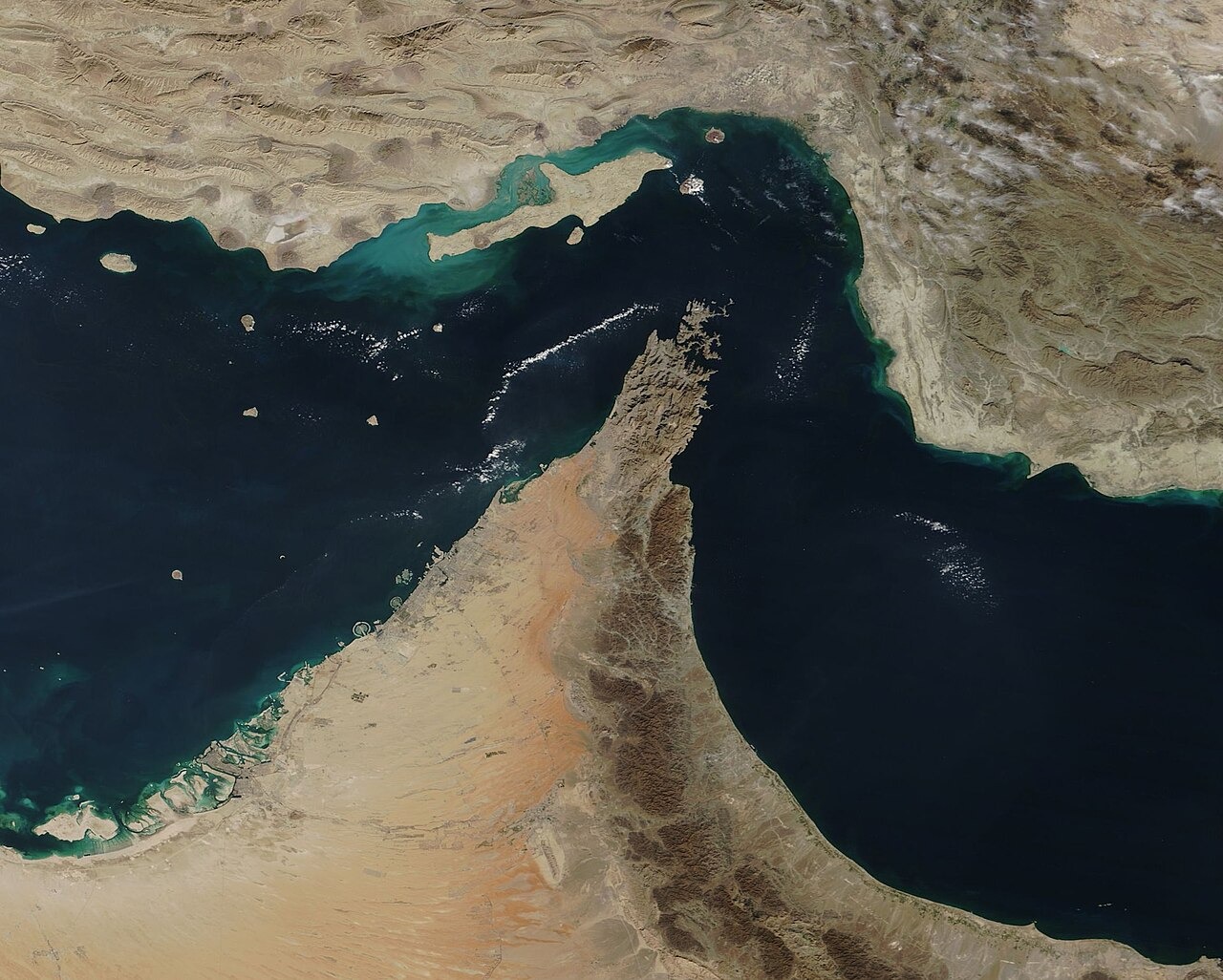
The United Nations has urged the full restoration of maritime navigation around the Strait of Hormuz after recording a rising number of vessel-related security incidents during the war on Iran. Khaled Khiari, the UN assistant secretary-general for the Middle East, Asia and the Pacific, told the Security Council that October had the highest monthly tally since the conflict began. The International Maritime Organization recorded 136 incidents in Hormuz and the wider Middle East between March 1 and November 11, including 35 in October and 10 in November, Al Jazeera reported.
Khiari said the current maritime arrangements remained costly, unpredictable and unsafe, warning that civilian and commercial vessels must not become targets. The immediate security dispute concerns who controls access to the waterway and which routes are considered safe. Iranian authorities reported that three oil tankers hit mines after travelling through areas Tehran describes as unauthorised or restricted. Iran has warned vessels to obtain approval before crossing, while the US military says it has cleared the main routes of mines and that the waterway is open to commercial shipping, according to the report.
The current UN warning points to a deteriorating operating environment, but it does not announce a new maritime access agreement or change in policy. Shipping through the Strait of Hormuz was reported at approximately 65 percent below pre-war levels, and Iran has said the waterway will not fully reopen until the United States meets demands including an end to its naval blockade, sanctions relief and an end to the war. Those positions remain competing claims about access and authority, not a jointly adopted navigation framework.
A separate Al Jazeera report described a March arrangement negotiated through the International Bargaining Forum between maritime unions and shipping companies. It allowed seafarers to refuse assignments in designated danger zones and provided company-funded repatriation and compensation equivalent to two months of basic wages; the report also said enhanced compensation applied to deaths and disabilities. It cautioned that the protections did not necessarily cover every seafarer.
That older labor arrangement addresses crew protections, not the underlying dispute over passage through Hormuz. The cited reports establish the scope of the UN’s latest warning and the limited protections described for some crews, but they do not establish whether those protections cover all vessels or whether a later maritime agreement has been adopted.