
Iraqi Prime Minister Ali al-Zaidi has ordered suspects in an alleged oil-smuggling operation in Jurf al-Sakhar referred to court and dismissed nine senior security and administrative officials, marking a significant escalation of Baghdad’s effort to assert state authority in the area.
The decision followed an emergency security meeting on November 15 reviewing an investigation into the area, about 60km southwest of Baghdad in Babil province. The National reports that a government committee confirmed findings from the Federal Intelligence and Investigations Agency alleging oil smuggling and illegal refineries. The dismissed officials included Babil’s police chief, other provincial security officials and the director general of the state-run Oil Pipelines Company.
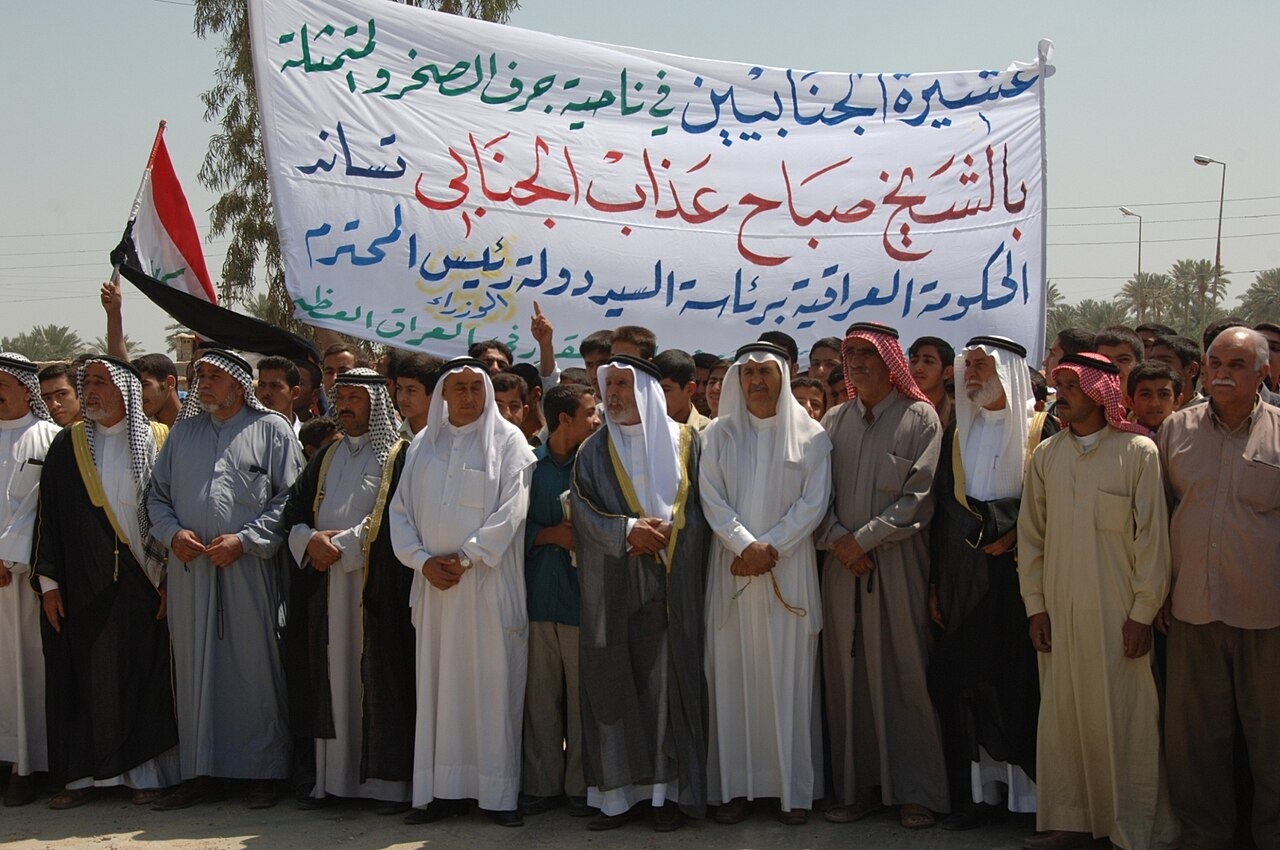
Al Jazeera reports that an Iraqi security committee entered Jurf al-Sakhar on Friday after the government launched the crackdown, following arrests and referrals involving officials accused of corruption. The area, also known as Jurf al-Nasr, has been controlled by Kataib Hezbollah, an Iran-linked faction with forces inside the Popular Mobilisation Forces, since it was retaken from ISIL in 2014.
The evidence establishes a government investigation, personnel dismissals and judicial referrals—not the dismantling of the militia itself. The government statement cited by The National did not name Kataib Hezbollah or specify how many people were involved. The National said the underlying intelligence report used satellite imagery from 2021 to 2026 and identified four sites where tankers repeatedly appeared, while Al Jazeera cited analysts who said the operation was intended to pressure armed factions financially.
The crackdown also intersects with a delayed weapons-under-state-control process. The National reports that the earlier timetable has been pushed back and is not expected to begin before June 30, 2027; only three armed groups claim to have placed their weapons under state authority. Whether the Jurf al-Sakhar operation produces broader disarmament remains unresolved, and Al Jazeera’s analysts differed over both its likely financial impact and the risk of an internal Shia conflict.