
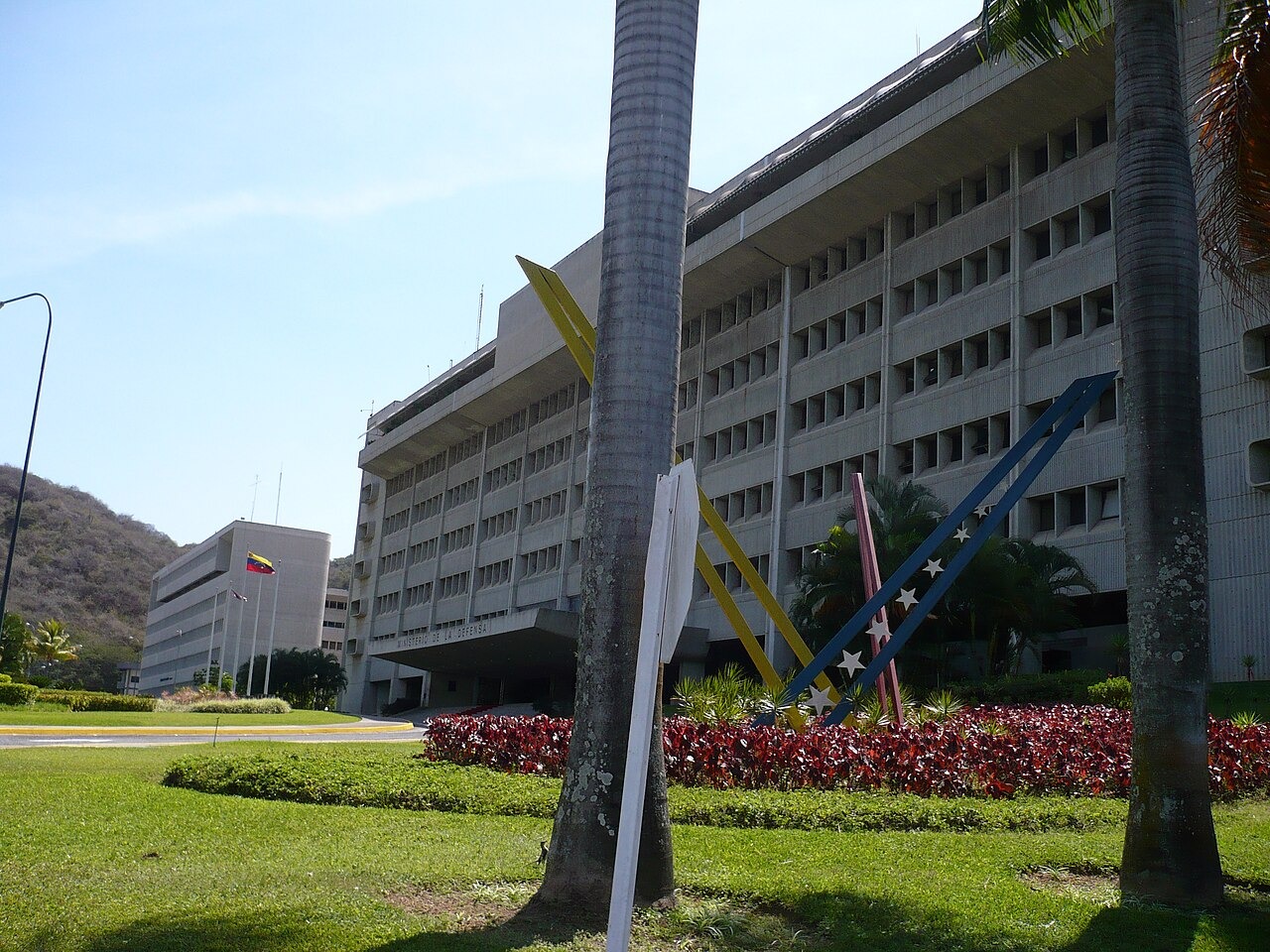
US Defense Secretary Pete Hegseth announced a new military cooperation agreement with Venezuela’s interim government during an unannounced November 18 visit to Caracas. Al Jazeera reported that the agreement includes joint training and intelligence sharing, with Hegseth saying the partnership would help stabilize Venezuela and combat drug-trafficking groups.
The agreement also covers military equipment and border security, according to Al Jazeera’s follow-up account. Hegseth met interim President Delcy Rodriguez and Defense Minister Gustavo Gonzalez Lopez in Caracas. Rodriguez’s government said cooperation would strengthen the Bolivarian National Armed Forces through improved training, modernized equipment and access to new technology.
The evidence establishes a political agreement and several intended areas of cooperation, not a documented joint operation or a completed military deployment. The full terms have not been released, including how any joint activities would be conducted. Venezuelan officials have said the relationship must respect the country’s sovereignty and constitution, while Hegseth described it as a reestablishment of the two countries’ defense partnership.
The immediate context is the Trump administration’s heavy influence over Caracas after the January removal and abduction of former President Nicolas Maduro, as described by Al Jazeera and its follow-up report. Analysts cited by Al Jazeera offered different interpretations of the agreement’s stakes: Carlos Pina linked Hegseth’s visit to anticipated congressional scrutiny of US policy, while International Crisis Group analyst Phil Gunson said Rodriguez’s government may be seeking to preserve its position under pressure from Washington.
That political context leaves the central implementation question unresolved: whether cooperation will remain limited to training, intelligence and equipment, or extend to changes in Venezuela’s security institutions. Al Jazeera reported that Gunson said some Venezuelan officers could try to sabotage the process if they feared prosecution or losing their positions. The agreement itself does not publicly specify any such process or security-force reforms.