
A North Korean troop buildup in Russia expected by Ukraine has yet to materialize, according to new reporting by DW, raising questions about whether Pyongyang is limiting its direct military role while continuing to supply Moscow.
DW reports that Andrii Kovalenko, a former head of Ukraine’s Center for Countering Disinformation, said an August intelligence assessment indicated that the Kremlin had requested more than 30,000 additional North Korean troops for an autumn offensive. Kovalenko said the request may have been rejected because deploying troops to Russian-occupied parts of Ukraine’s Donetsk region remained a red line for Pyongyang, but DW presents that assessment as an attributed claim rather than a confirmed North Korean decision.
The same report says North Korean ammunition and missile support is continuing. Ukrainian President Volodymyr Zelenskyy said on November 17 that Russia was receiving dozens of North Korean ballistic missiles each month, while Kovalenko said North Korea still had personnel and a missile unit in Russia. DW also quotes South Korean analysts who said the lull in fighting, winter conditions and the costs of deploying more troops could reduce the immediate incentive for either side to expand the contingent.
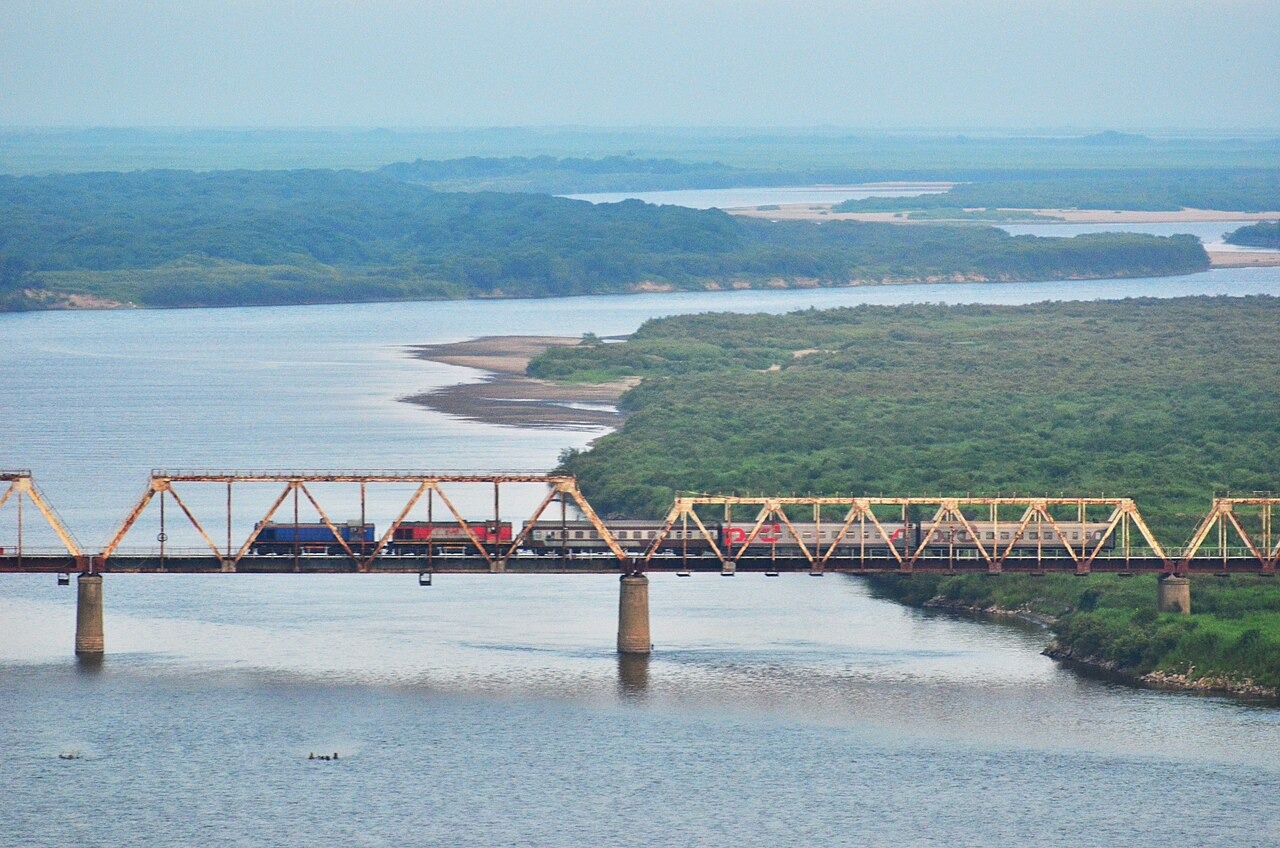
The apparent pause is not evidence that the broader partnership has narrowed. In earlier DW reporting, South Korea’s National Intelligence Service was cited as estimating that Russia had provided North Korea at least $7.7 billion in financial aid and economic value over three years for committing men and materiel to the war. That report also described a new road bridge across the Tumen River and related customs and warehousing facilities as infrastructure that could facilitate future exchanges of troops, weapons and ammunition.
Together, the reports establish a distinction between continuing strategic cooperation and a confirmed new troop deployment: weapons, personnel and infrastructure links remain part of the relationship, but the larger autumn reinforcement described by Ukrainian officials has not been shown to have occurred. Whether that reflects a North Korean refusal, a Russian decision to limit the request or a temporary pause remains unresolved.