
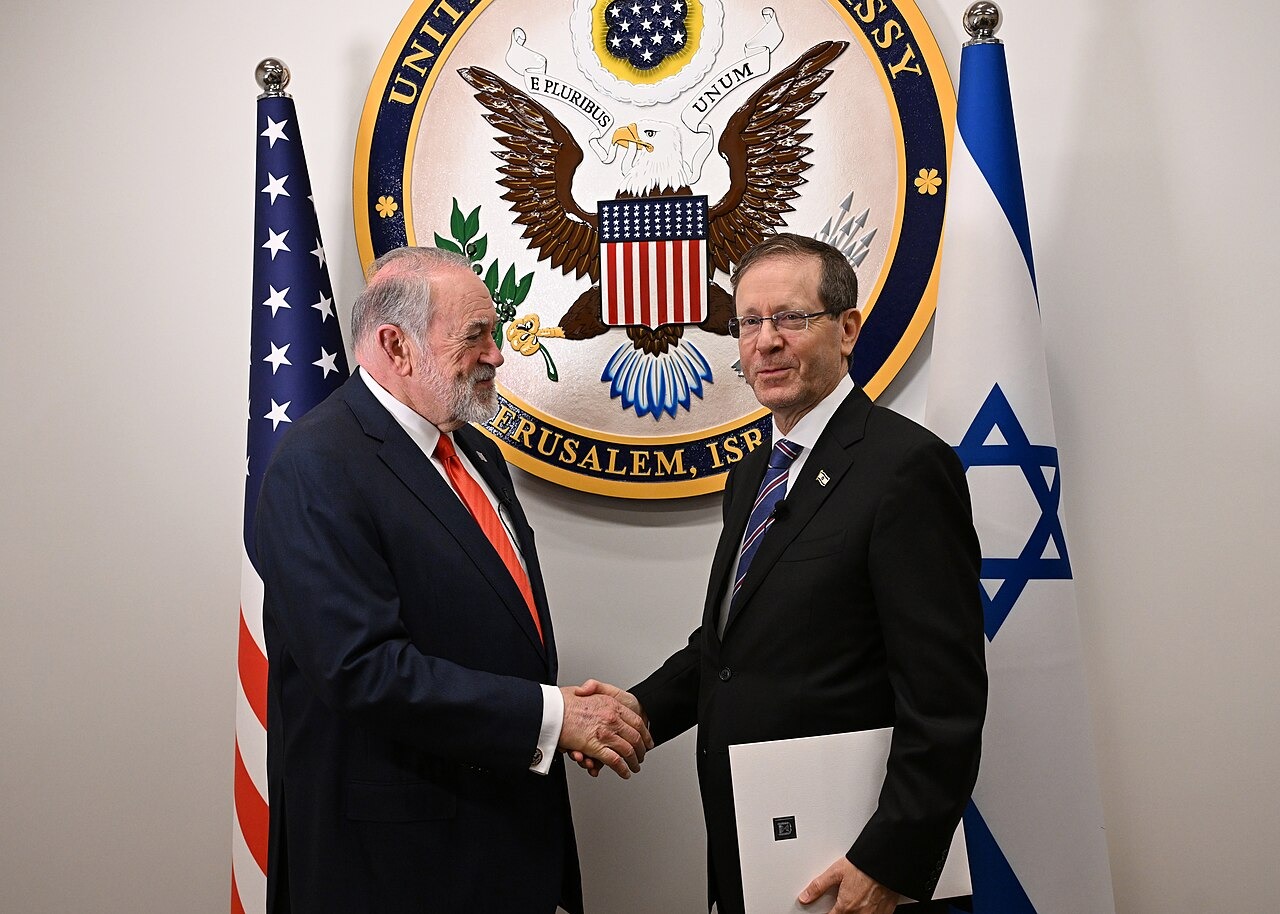
Israeli President Isaac Herzog on November 8 tasked former military chief Gadi Eisenkot with forming the next government, giving the leader of the Yashar party the first opportunity to assemble a coalition after an inconclusive parliamentary election. The decision was made at the president’s residence in Jerusalem. ABC News reports that Herzog’s consultations found 67 Knesset members backing Eisenkot as the candidate with the better chance of forming a government, compared with 46 supporting incumbent Prime Minister Benjamin Netanyahu.
The mandate changes who leads the immediate coalition process, not Israel’s security policy or government composition. Eisenkot must still win support from enough parties to reach the 61-seat threshold for confidence in the Knesset. ABC News reports that he has 28 days to form a government, with a possible 14-day extension; France 24 describes the period as up to six weeks.
Eisenkot said he would seek a national emergency government and indicated that Netanyahu’s Likud party and Bezalel Smotrich’s Religious Zionist Party could join a government led by him if they supported unity. France 24 reports that Eisenkot said he believed a government with a substantial majority could be formed swiftly, but the source also describes the negotiations as complex.
The security implications are immediate in political terms but remain unresolved in policy terms. ABC News says security issues, the conflict with Iran and criticism of Netanyahu’s management of the war in Gaza dominated the election campaign. Herzog said Israel needs a stable government able to address those challenges over time. Neither source establishes that Eisenkot has secured a coalition or that a change in leadership will produce a particular shift in Israel’s conduct of those conflicts.