
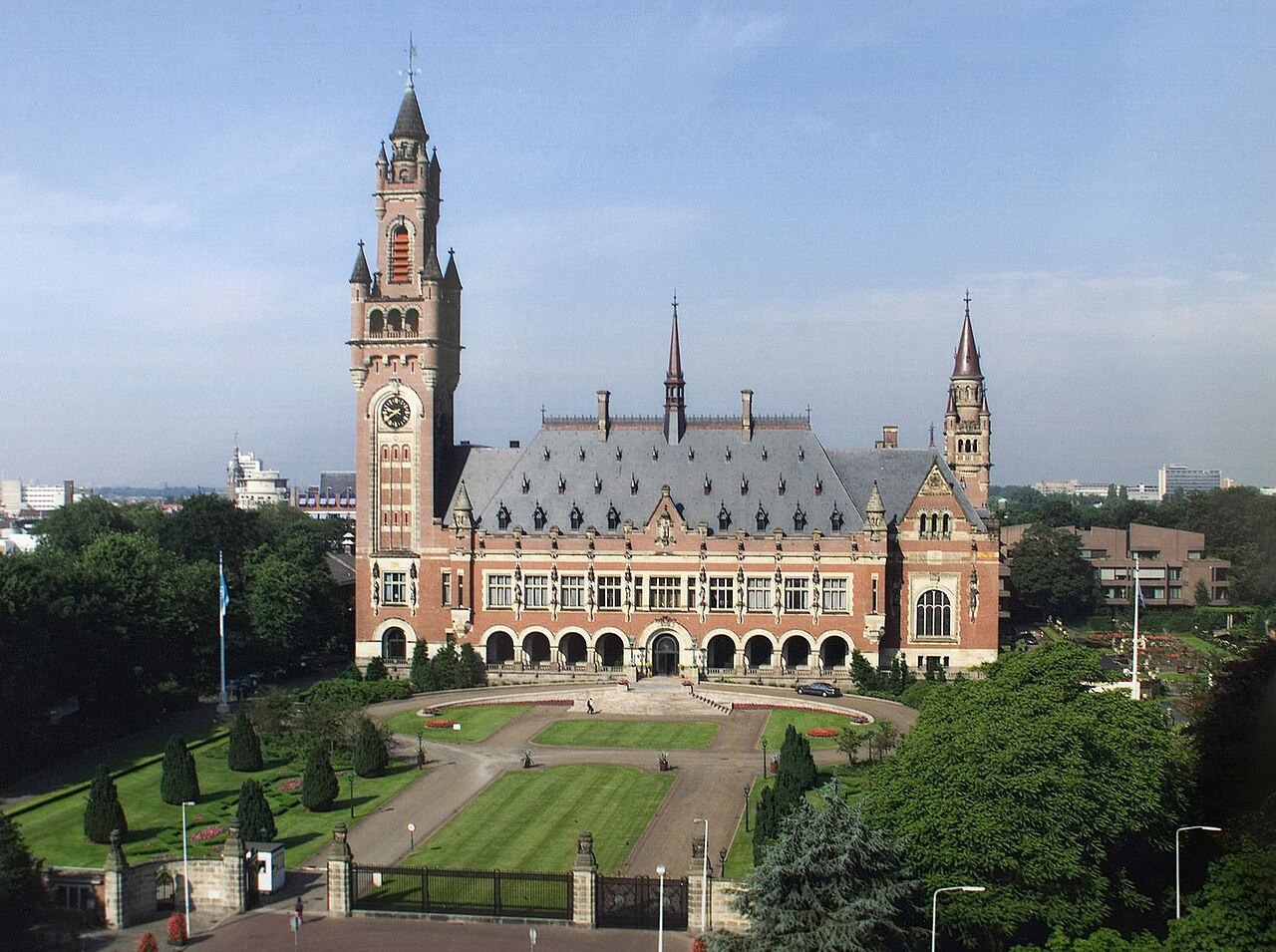
A US warning aimed at the International Court of Justice has intensified fears that Washington could impose sanctions on its judges if the court rules that Myanmar committed genocide against the Rohingya, according to current Guardian reporting. The ICJ is due to issue its judgment in The Hague on Thursday.
US ambassador to the UN Mike Waltz warned the court’s 15 judges that Washington would not allow what he called the weaponisation of international law against US troops. The Guardian reports that the warning specifically addressed Navi Pillay, the South African lawyer appointed by The Gambia as an ad hoc judge in the case. Pillay must act as a jurist rather than as an advocate for The Gambia.
The scope of the reported US position remains prospective. The Guardian says judges have sought advice on protecting their assets from possible US sanctions, while the Foundation for Defense of Democracies has predicted that a genocide ruling could trigger such measures. Neither report establishes that sanctions against ICJ judges or the institution have been adopted.
The case matters to Washington and Israel because the court’s treatment of genocidal intent could influence the separate case brought against Israel over its military campaign in Gaza. In its November 15 background report, the Guardian said the ICJ has never found a state directly responsible for genocide and that the Myanmar judgment could provide an important indication of how judges assess intent, including patterns of conduct, sexual violence and forced displacement.
That report also distinguishes the ICJ from the International Criminal Court: the ICJ resolves disputes between states, while the ICC prosecutes individuals. The US has already sanctioned the ICC, but the available evidence shows a warning and anticipated response concerning the ICJ—not a confirmed change in sanctions policy against that court.