
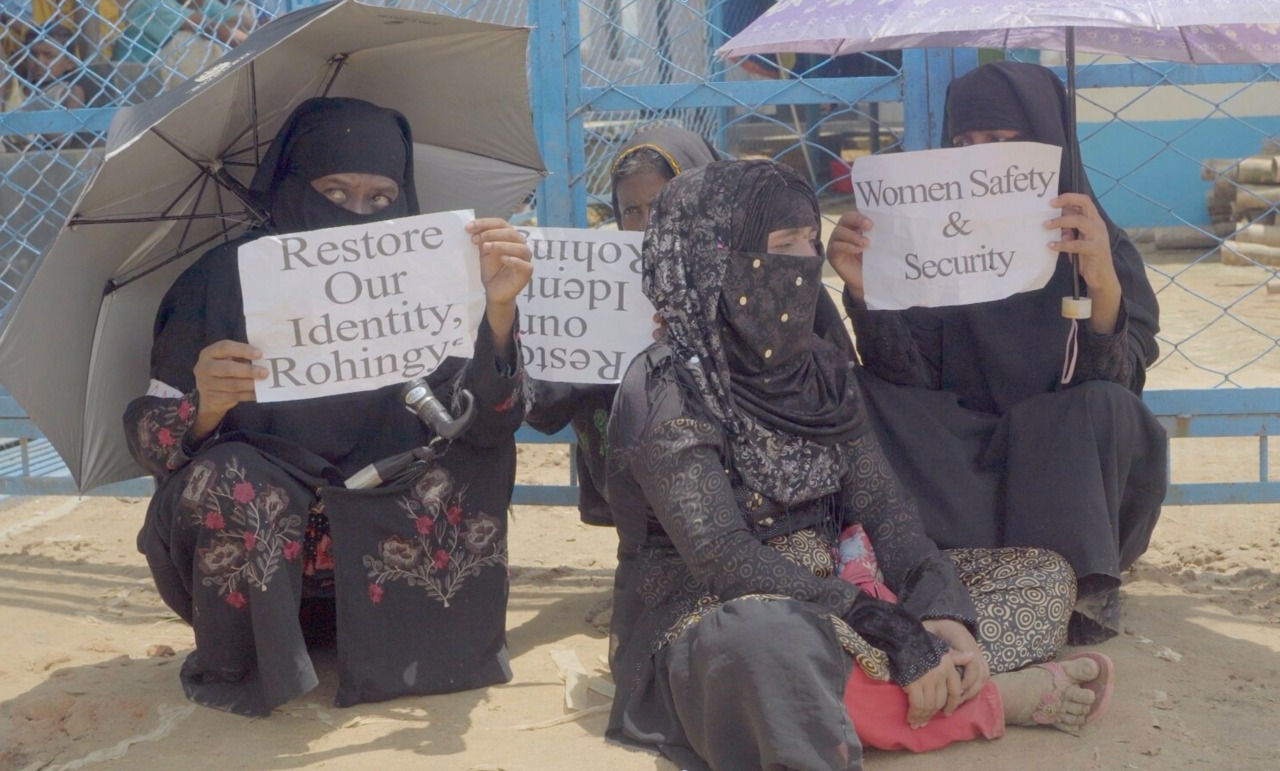
The International Court of Justice on November 19 found Myanmar responsible for genocide against the Rohingya, ruling by nine votes to six that the state had breached obligations under the Genocide Convention. The court said the evidence showed an intention to destroy a substantial part of the Rohingya population in northern Rakhine State, according to Deutsche Welle’s report on the judgment.
The case, brought by The Gambia in 2019, concerned Myanmar’s 2017 clearance operations against the predominantly Muslim Rohingya minority. The BBC reports that the court found around 10,000 Rohingya were violently killed, more than 700,000 fled to Bangladesh and approximately 815,000 people were targeted in some way. It also found evidence of killings, sexual violence, attacks on people fleeing and the deliberate burning of homes, according to the BBC’s account of the ruling.
The judgment establishes Myanmar’s responsibility under the genocide convention and addresses measures linked to the harm. The BBC reports that Myanmar has an obligation to pay proportionate reparations, although the amount will be determined later. DW reports that the court said Myanmar should make efforts to pay reparations and facilitate the safe return of refugees. The court also called on Myanmar to take measures to investigate and, if necessary, prosecute individual wrongdoing, while noting that Myanmar had failed to conduct genuine investigations and had refused access to evidence and witnesses, according to DW.
The ruling is significant beyond Myanmar because the BBC describes it as the first time an international court has found a state to have committed genocide. But the ICJ is not a criminal court: it cannot imprison military officials, and implementation relies on the United Nations Security Council and political pressure, the BBC reports. The amount and timing of reparations, refugee returns and any prosecutions therefore remain unsettled.
The United Kingdom said it would expel Myanmar’s defence attaché and seek a special UN Security Council session, while Myanmar’s government and military had not immediately responded in the reporting. The ruling establishes the court’s findings and Myanmar’s obligations; it does not by itself resolve how those measures will be carried out.